-
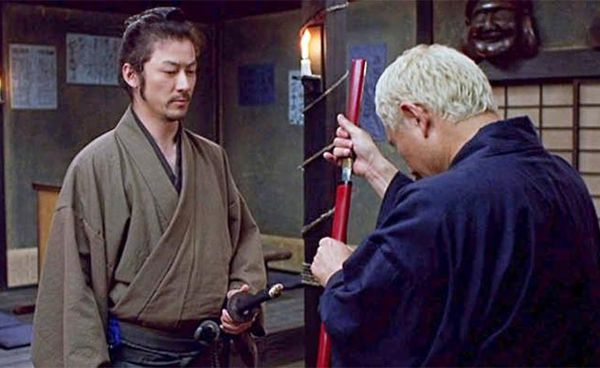
Zatoichi
Zatoichi is a blind traveller who makes his living as a gambler and masseur. But behind this lowly façade is a master swordsman blessed with lightening-fast skill and precision. The eponymous anti-hero wanders into a mountain village controlled by ruthless gang-leader Ginzo. Zatoichi hears the story of two geishas whose parents were murdered by the Ginzo
-
City of God
This is the film that made director, Fernando Meirelles (more recent work includes “The Constant Gardener”) internationally famous. “City of God” was filmed with actors plucked out of Rio de Janeiro’s favellas. Based on the novel of the same title by Paulo Lins, the film tells the story of two boys who take different paths:
-
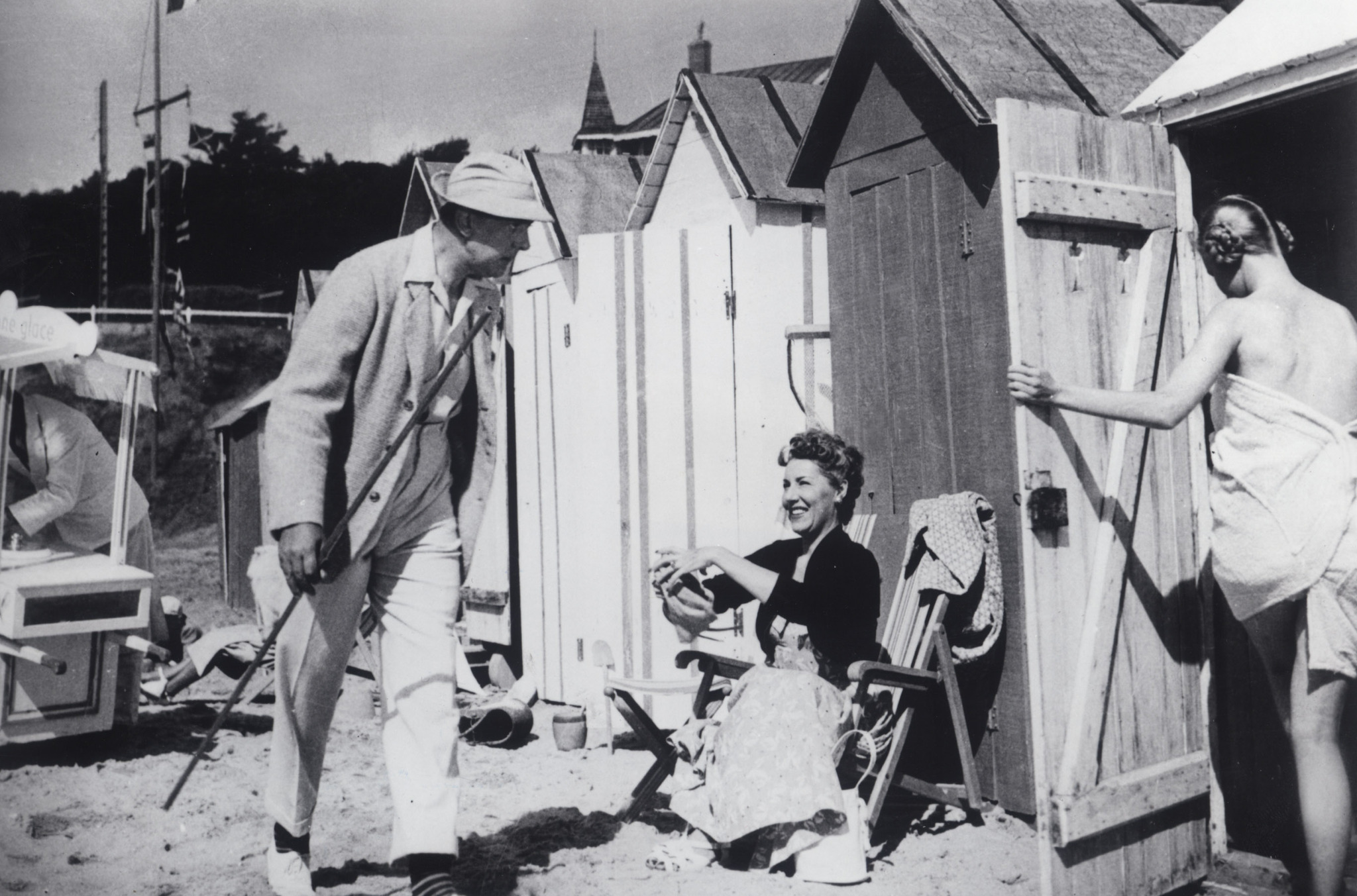
Monsieur Hulot’s Holiday
It’s August and M. Hulot sets off on holiday in his ancient Amilcar. He arrives in Brittany at the beachfront hotel, where an unsuspecting assortment of holiday-makers is unaware of the impending havoc. The charm of this film lies in its benign humour: there are no victims. M. Hulot is oblivious of the trail of
-
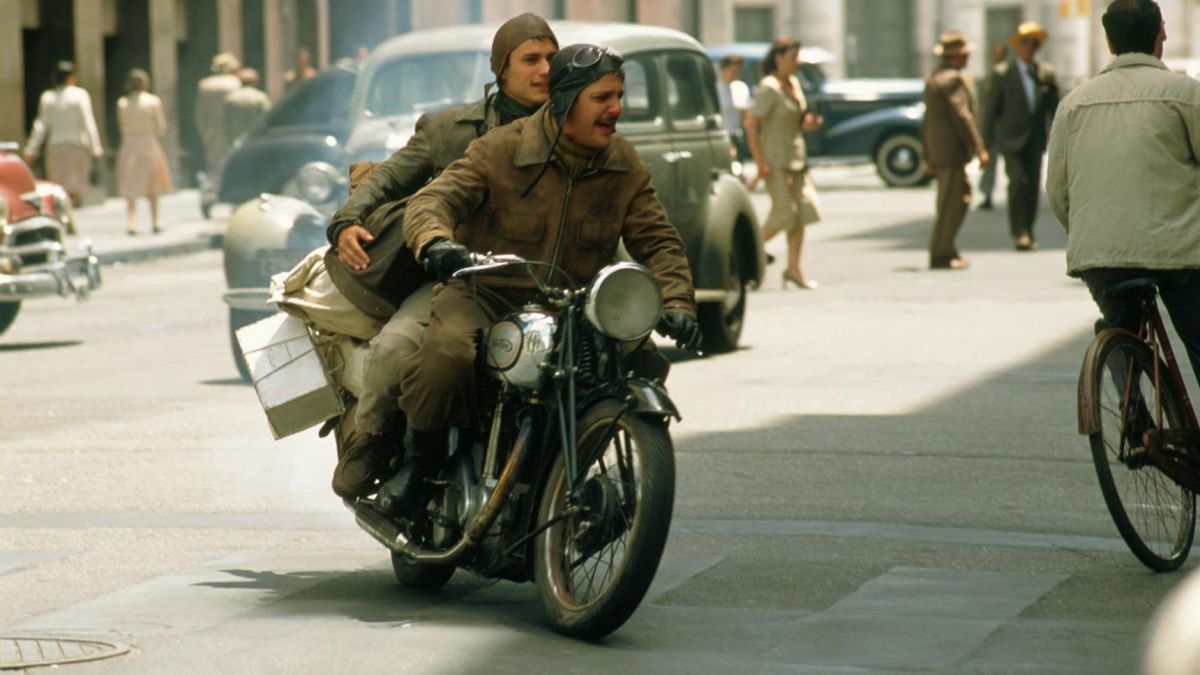
The Motorcycle Diaries
The film recounts the 1952 expedition, partly by motorcycle, across South America by Ernesto Guevara, later known as the revolutionary leader Ché, and his friend Alberto Granado. The screenplay is based primarily on Guevara’s trip diary of the same name, with additional context supplied by Traveling with Che Guevara: The Making of a Revolutionary by
-
Reconstruction
Its a mystery why Alex suddenly leaves the devoted Simone to follow a beautiful woman into the Copenhagen night. Time twists and Simone becomes a stranger to him – his past disappears. To create his future, Alex must return the enigmatic Aimee’s love, but will he have the courage Boe offers us a noir-ish, psychological
-
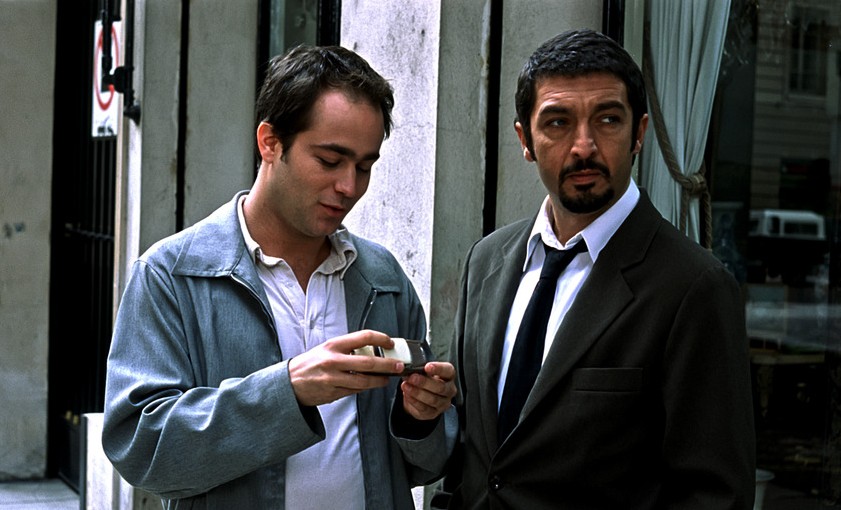
Nine Queens
Conmen Marcos and Juan team up for a once-in-a-lifetime scam to swindle a corrupt businessman with forged rare stamps the Nine Queens. In a plot with serpentine twists and a gallery of rogues, deceptions pile upon deceptions and its up to us to sort out who’s conning who. First-time director Bielinsky uses real-life Buenos Aires
-
Three Colours: Blue
Three Colours Blue is the first part of Kieslowski’s trilogy examining the meaning to contemporary French society of the concepts behind the three national colours blue, white, and red. These represent liberty, equality and fraternity. The director gives us the story of Julie who loses her husband and daughter in a car crash. Blue manifests
-
The Story of the Weeping Camel
Deep in the Gobi desert, a family of nomadic Mongolian camel herders faces a serious problem. A mother camel has rejected her newborn colt. Death is near. There is only one thing to do, rekindle the mothers love through a ritual of music. Two young boys set out to find a traditional musician to save
-
All About My Mother
Esteban, an aspiring young writer, runs to get the autograph of an actress, with tragic results. His mother, Manuela, goes to Barcelona to find Esteban’s transvestite father and her dislocated life begins to take a very different shape. Self -parody is part of Almodovar’s approach and the effectiveness of his story-telling comes partly from the
-
Spirited Away
Ten-year-old Chihiro Ogino becomes separated from her family in an abandoned amusement park that turns out to be a portal to the spirit world. This celebrated masterwork from Studio Ghibli’s Hayao Miyazaki was a huge hit worldwide. It marked a pivotal point both in the growing popularity of Japanese anime and the wider acceptance of